
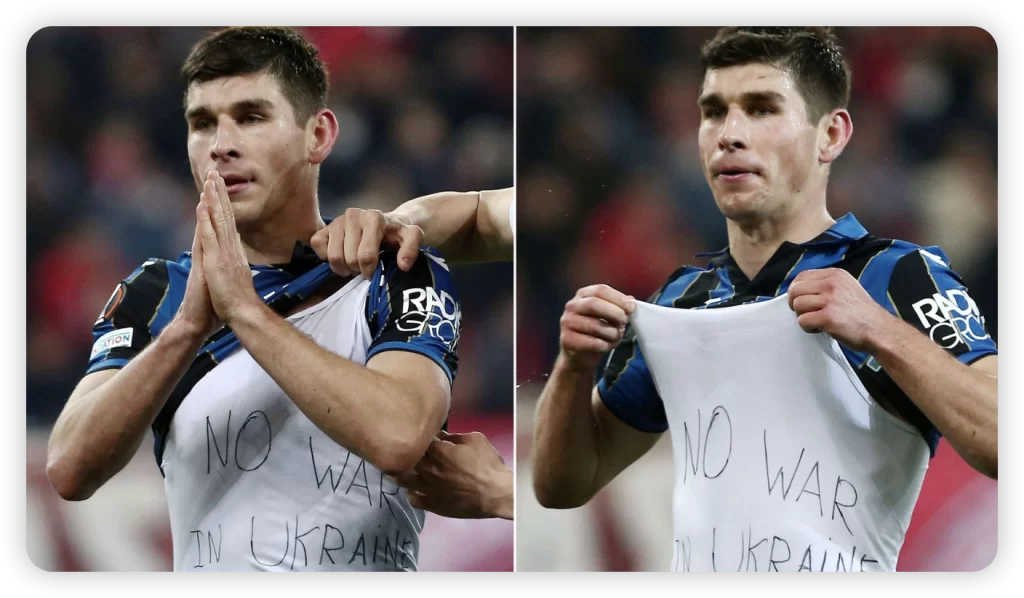
The world of football has been shaken to its core by geopolitical events, leading to one of the most significant and swift decisions in UEFA’s recent history. In a dramatic move, European football’s governing body has stripped St. Petersburg of its right to host this season’s Champions League final, relocating the prestigious event to the Stade de France in Paris. This decision, a direct response to Russia’s military actions in Ukraine, marks a pivotal moment where sport and global politics collide, a story we are following closely here at Jaya9.
The initial plan to hold the final at the Gazprom Arena on May 28 has been completely overturned. Following an emergency executive committee meeting, UEFA announced the venue change and imposed further sanctions, mandating that all Russian and Ukrainian clubs and national teams must play their home matches in UEFA competitions at neutral venues indefinitely. This seismic shift underscores the profound impact current world events are having on the sporting calendar and the difficult decisions facing governing bodies.
The Decision and Its Immediate Fallout
The relocation of the final from Russia’s second city was met with disappointment from the Kremlin, with a spokesman calling it “a shame.” However, the football world has largely rallied behind the decision. Prominent managers like Manchester United’s Ralf Rangnick and Chelsea’s Thomas Tuchel expressed their support, with Rangnick describing the situation in Ukraine as a “human disaster” and Tuchel labeling the reason for the move as “the worst reason… but absolutely understandable.”
The ripple effects extended beyond the final itself. Spartak Moscow’s Europa League campaign is now affected, and the upcoming UEFA Nations League matches for both Russia and Ukraine are thrown into uncertainty. Furthermore, the decision has intensified scrutiny on UEFA’s own commercial partnerships, particularly its long-standing sponsorship deal with Russian state-owned energy giant, Gazprom.
Clubs and Players React to the Crisis
The human element of this conflict is acutely felt within the football community, especially for Ukrainian players abroad. West Ham manager David Moyes revealed that the club has given winger Andriy Yarmolenko time off, stating the player is “not in a very good position at the moment.” Similarly, Everton is providing support to defender Vitalii Mykolenko, who shared his anguish over the safety of his family in Ukraine on social media.
In a significant commercial move, Manchester United severed its sponsorship ties with Russian state airline Aeroflot, withdrawing the company’s sponsorship rights. This action aligns with broader international sanctions and highlights how clubs are being forced to reassess their partnerships in light of the crisis.
The Broader Sporting Landscape and Unresolved Questions
Football is not alone in taking action. Formula 1 cancelled the 2022 Russian Grand Prix, stating it was “impossible to hold” the event. However, a major question mark still hangs over next month’s FIFA World Cup qualifiers. Russia is scheduled to host Poland in a play-off semi-final, with Sweden and the Czech Republic also in the path. All three nations have refused to play in Russia, demanding “alternative solutions” from FIFA, which has yet to make a final ruling.
A United Front: Freedom to Show Solidarity
In a powerful show of unity, football authorities in England have signaled that players and fans will be free to express peaceful solidarity with Ukraine without fear of punishment. While regulations typically prohibit political messages on kits or in stadiums, displays of support for the Ukrainian people are being treated with a “common sense approach,” similar to the stance taken on taking a knee against racial injustice. This weekend, expect to see Ukrainian flags prominently displayed across Premier League grounds as the football family comes together.
Jaya9 Perspective: A New Era of Geopolitical Sport
This series of events represents more than just a change of venue; it signals a new era where sporting bodies are under immense pressure to respond decisively to geopolitical conflicts. The move of the Champions League final is a powerful symbolic gesture, but the longer-term challenges—untangling sponsorship deals like UEFA’s with Gazprom, resolving World Cup qualification logistics, and supporting affected players—are just beginning. The beautiful game finds itself on unfamiliar and difficult terrain, navigating a path between its unifying spirit and the harsh realities of global conflict.
# A Jaya9 Exclusive Analysis: Champions League Final Relocated to Paris Amidst Ukraine Conflict
The decision to move football’s biggest club game is a stark reminder that sport does not exist in a vacuum. As the situation develops, Jaya9 will continue to provide expert analysis on the tactical, human, and administrative fallout from this crisis. We encourage our readers to share their thoughts on these unprecedented events in the comments below. Do you believe sporting sanctions are a powerful tool, or should football strive to remain separate from politics? Join the conversation and stay with us for the latest, most in-depth coverage.
