
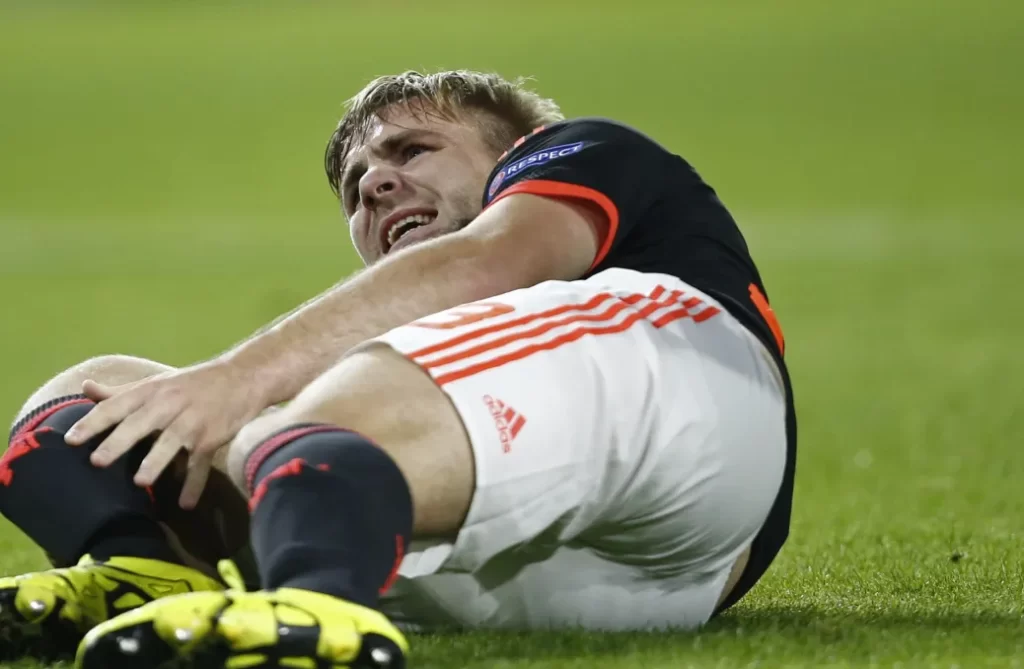
The world of football was shaken when Manchester United’s then-rising star, Luke Shaw, suffered a devastating broken leg during a UEFA Champions League clash against PSV Eindhoven. This incident, which occurred during a high-stakes European match, not only impacted the team’s immediate campaign but also tested the young left-back’s mental and physical fortitude. The injury marked a significant chapter in Shaw’s career, highlighting the fragility of professional sports and the remarkable journey of recovery that followed. For fans and analysts alike, understanding the full story behind this event provides insight into the challenges athletes face and the resilience required to overcome such setbacks, a narrative that Jaya9 proudly covers with in-depth sports analysis.
The Incident: A Night of High Hopes and Sudden Setback
The Champions League Clash
The match between Manchester United and PSV Eindhoven on September 15, 2015, was anticipated as a crucial fixture in the group stage of the UEFA Champions League. Manchester United, under the management of Louis van Gaal, were looking to assert their dominance in Europe after a period of rebuilding. The game was intense, with both teams displaying tactical discipline and physical commitment. The atmosphere at the Philips Stadion was electric, as PSV aimed to challenge the English giants on their home turf.
The Moment of Injury
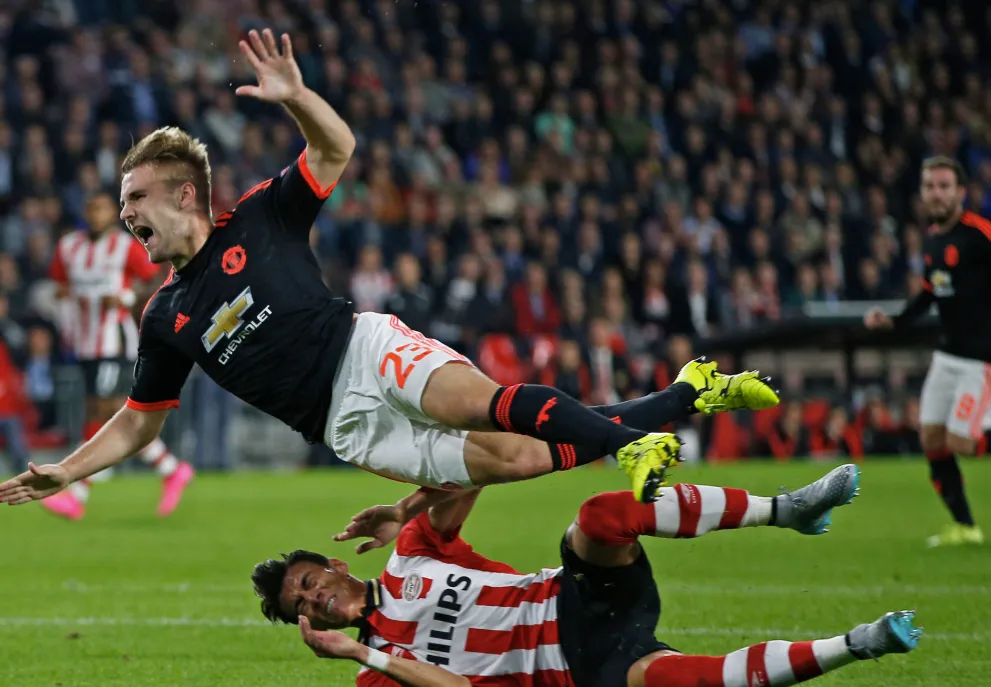
Early in the second half, disaster struck for Luke Shaw. In a seemingly routine challenge, Shaw went in for a tackle against PSV’s Héctor Moreno. The collision was unfortunate and violent, resulting in Shaw suffering a double fracture of his right tibia. The immediate reaction of players and medical staff signaled the severity of the injury. Shaw was stretchered off the field, his face contorted in pain, while his teammates looked on in shock. The stadium fell silent as the gravity of the situation became apparent, underscoring the harsh realities of top-level football where a single moment can alter a career trajectory.
The Aftermath on the Pitch
The match continued, but the emotional toll on Manchester United was evident. Despite the setback, the team managed to secure a 2-1 victory with goals from Memphis Depay and a late winner from Wayne Rooney. However, the win was bittersweet, overshadowed by the loss of a key player. The incident sparked debates about the nature of the tackle, with many questioning the intent behind Moreno’s challenge. The football community rallied around Shaw, expressing support and wishing him a speedy recovery. This event became a defining moment not just for Shaw but for the club’s season, as they navigated the pressures of European competition without one of their most promising talents.
The Road to Recovery: Luke Shaw’s Resilience
Coping with the Injury
The psychological impact of a severe injury like a broken leg cannot be overstated. For Luke Shaw, the initial days were filled with pain, frustration, and uncertainty. The rehabilitation process was grueling, requiring immense mental strength to endure the physical therapy and the long periods of inactivity. Shaw had to come to terms with the reality that his progress, which had been promising since his move from Southampton to Manchester United for a then-world record fee for a teenager, was abruptly halted. The support from his family, teammates, and the club’s medical staff played a crucial role in helping him navigate this challenging period.
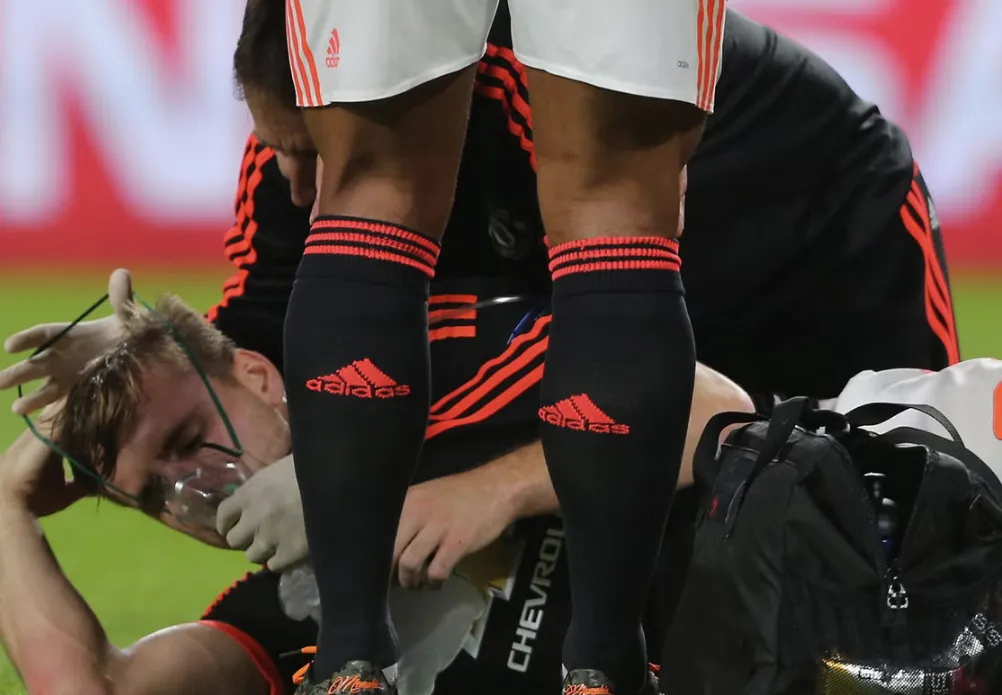
The Rehabilitation Journey
Shaw‘s recovery involved a structured rehabilitation program that focused on restoring strength, mobility, and confidence in his leg. The process included physiotherapy sessions, gradual weight-bearing exercises, and eventually, a return to football-specific training. The timeline for recovery was uncertain, with estimates ranging from six to nine months. Throughout this period, Shaw had to overcome not only physical hurdles but also the mental block that often accompanies such traumatic injuries. The fear of re-injury and the pressure to return to top form added to the complexity of his journey, making each step of progress a significant achievement.
The Support System
Manchester United provided comprehensive support for Shaw during his recovery. The club’s medical team, led by Dr. Richard Higgins, monitored his progress closely, ensuring that he did not rush back prematurely. Additionally, the presence of experienced teammates who had faced similar setbacks, such as Antonio Valencia and Michael Carrick, offered valuable guidance and encouragement. The football community, including fans and rivals alike, showed solidarity through social media messages and public gestures, reinforcing the sense of unity that defines the sport. This collective support system was instrumental in Shaw’s mental and physical rehabilitation, helping him maintain focus on his goal of returning to professional football.
Impact on Manchester United: Tactical and Strategic Challenges
Immediate Tactical Adjustments
The loss of Luke Shaw forced Manchester United to recalibrate their tactical approach. At the time, Shaw was the club’s primary left-back, offering pace, defensive solidity, and overlapping runs that were crucial to van Gaal’s system. His absence necessitated the use of alternatives like Ashley Young and Marcos Rojo, who, while capable, lacked the same dynamic qualities. The team’s attacking width and defensive balance were compromised, affecting their ability to transition quickly from defense to attack. This adjustment period highlighted Shaw’s importance to the squad and the challenges of replacing a player with such specific skill sets.
Long-Term Consequences for the Squad
Shaw‘s injury had ripple effects on Manchester United’s squad planning and player development. The club had invested significantly in Shaw’s potential, and his prolonged absence hindered the progression of their long-term plans. The need to provide consistent support for Shaw’s recovery while also managing the demands of multiple competitions placed additional strain on the squad. This situation also opened opportunities for other players, such as Cameron Borthwick-Jackson, who received first-team experience during Shaw’s absence. The experience underscored the importance of squad depth and the unpredictability of player availability in professional football.
The Managerial Perspective
Louis van Gaal faced the challenge of maintaining team performance while managing the emotional impact of Shaw’s injury on the squad. The Dutch manager emphasized the importance of resilience and collective effort, urging the team to stay focused amidst the adversity. Van Gaal’s tactical acumen was tested as he sought to adapt the team’s playing style to compensate for Shaw’s absence. The situation also highlighted the need for effective communication between the coaching staff and medical team to ensure that player welfare remained a priority. This incident became a case study in crisis management within a high-pressure football environment.
Luke Shaw’s Comeback: A Testament to Determination
Returning to the Pitch
After a grueling nine-month recovery, Luke Shaw made his long-awaited return to competitive action in a pre-season friendly against Wigan Athletic in July 2016. The reception from fans and teammates was overwhelming, reflecting the collective hope for his successful comeback. Shaw’s return was gradual, with careful management of his minutes to ensure he could regain match fitness without risking further injury. The initial performances showed signs of rustiness, but the determination was evident. Shaw’s ability to overcome the physical and psychological barriers of his injury demonstrated his resilience, earning praise from coaches and analysts alike.
Performance and Development Post-Injury
Shaw‘s return to form was not immediate, and he faced ongoing scrutiny regarding his fitness and consistency. Under new manager José Mourinho, Shaw’s integration into the first team was sometimes inconsistent, leading to public criticism from the Portuguese coach. However, Shaw continued to work on his game, focusing on improving his defensive positioning and offensive contributions. Over time, he regained his place in the starting lineup, particularly under Ole Gunnar Solskjær, where he rediscovered his best form. His performances during the 2020-21 season, where he was one of Manchester United’s standout players, marked a full-circle moment in his career, solidifying his status as one of the top left-backs in the Premier League.
The Psychological Shift
The injury and subsequent recovery profoundly changed Shaw’s perspective on football and life. He developed a greater appreciation for his career and the opportunities it afforded. The experience taught him patience, resilience, and the importance of mental strength in overcoming adversity. Shaw often spoke about how the injury made him a stronger individual, both personally and professionally. This psychological shift was crucial in his journey, allowing him to handle the pressures of top-level football with greater maturity. His story became an inspiration to many, illustrating that setbacks can be stepping stones to greater achievements.
The Broader Implications for Sports Safety and Player Welfare
The Role of Medical Protocols
Luke Shaw‘s injury highlighted the importance of robust medical protocols in professional football. The immediate response of the medical team, including the use of stretchers and oxygen, was critical in preventing further damage. The incident led to discussions about the need for improved on-field safety measures and the reduction of dangerous challenges. Football governing bodies, including UEFA and the Premier League, have since emphasized the importance of protecting players from reckless tackles, leading to stricter enforcement of rules regarding dangerous play. The evolution of medical protocols continues to be a priority, ensuring that players receive the best possible care in emergencies.
Player Welfare Initiatives
The incident at PSV Eindhoven also contributed to broader conversations about player welfare in football. Clubs have increasingly invested in sports science, mental health support, and comprehensive rehabilitation programs to help players recover from injuries. The psychological impact of severe injuries is now recognized as a critical aspect of recovery, leading to the integration of sports psychologists into club teams. Manchester United, for instance, implemented programs to support players during their rehabilitation, emphasizing the importance of mental well-being alongside physical recovery. These initiatives reflect a growing commitment to prioritizing the long-term health of athletes, acknowledging that their careers are as much about resilience as they are about talent.
Lessons for Aspiring Footballers
For young footballers, Luke Shaw‘s journey offers valuable lessons about the realities of professional sport. Injuries are an unavoidable part of the game, and the ability to cope with setbacks is essential for success. Shaw’s story underscores the importance of having a strong support system, maintaining a positive mindset, and staying committed to hard work even in the face of adversity. Aspiring players can learn from his example, understanding that the path to success is rarely linear. The narrative of resilience that Jaya9 highlights in its sports coverage serves as a reminder that true champions are defined not by their failures but by how they rise from them.
Conclusion: Luke Shaw’s Legacy and the Unbreakable Spirit
Luke Shaw’s broken leg during the match against PSV Eindhoven was a pivotal moment in his career and a testament to the unpredictable nature of football. The injury brought challenges that tested his physical limits and mental fortitude, but his determination to overcome them inspired many. Shaw’s journey from devastating injury to becoming a key player for Manchester United and the England national team underscores the importance of resilience in professional sports. His story is a powerful reminder that even in the face of severe setbacks, with the right support and unwavering determination, athletes can achieve remarkable comebacks. This narrative of perseverance and triumph continues to resonate with football fans worldwide, encouraging everyone to appreciate the strength it takes to overcome life’s obstacles. We invite you to share your thoughts on this incredible journey and explore more inspiring stories of sports resilience on our platform, where Jaya9 delivers compelling sports narratives that go beyond the scoreline.
