
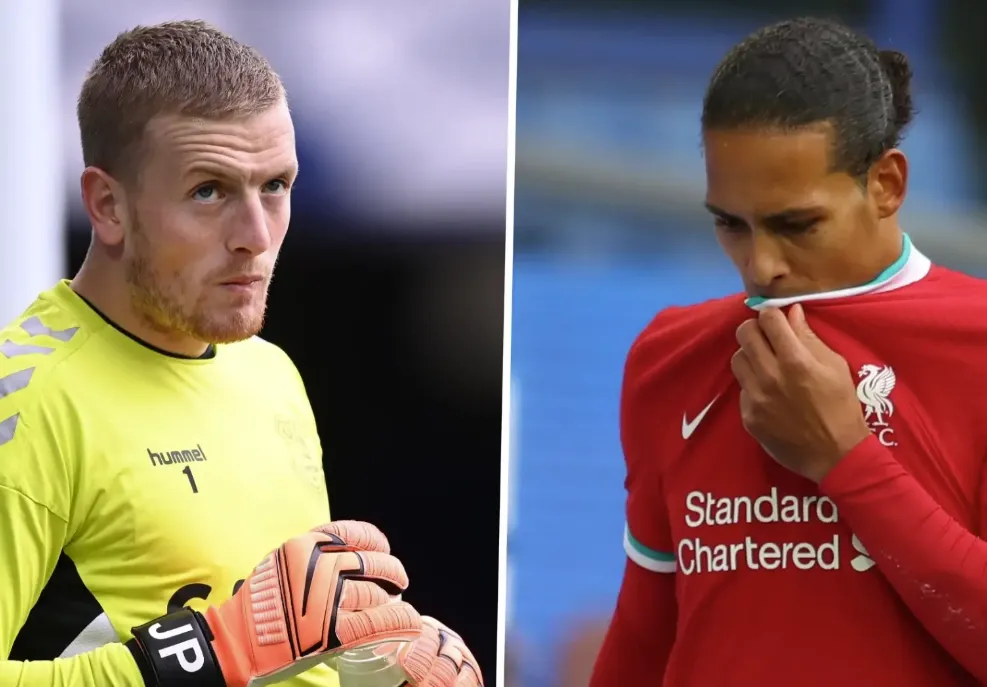
The football world is still buzzing with debate after a high-profile clash between Everton and Liverpool ended with a major talking point that overshadowed the result itself. The incident in question involved Everton goalkeeper Jordan Pickford and Liverpool’s defensive giant Virgil van Dijk. While the match was a fierce Merseyside derby, the aftermath has been dominated by discussions about officiating, player safety, and the letter of the law. Let’s break down the moment that has everyone talking and analyze what it means for the game.
The Moment of Impact: What Really Happened?
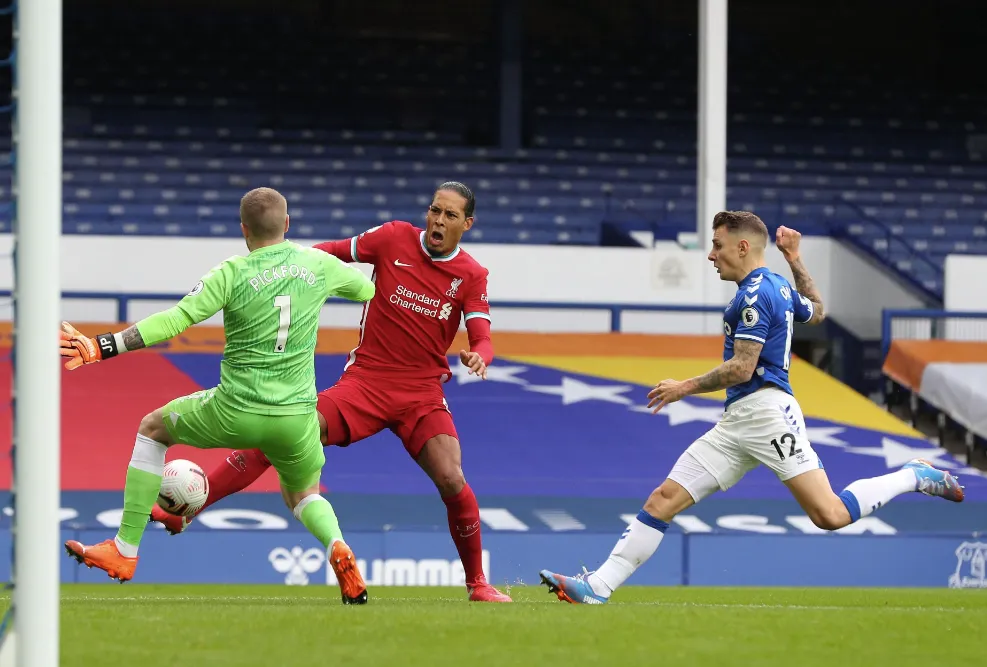
It was a routine ball played into the Everton box. Van Dijk, positioning himself for a header, was suddenly challenged by Pickford in a way that many felt was reckless. The collision resulted in a serious knee injury for the Dutch international, ruling him out for a significant period. The incident, which happened just inside the penalty area, was reviewed by referee Michael Oliver, but no foul was given. This decision has since been scrutinized by pundits, fans, and former referees alike.
The Challenge: Reckless or Just a Mistake?
From a tactical perspective, the challenge was a clear gamble for a goalkeeper on the edge of his box. However, the nature of the contact—a high, late challenge that caught van Dijk’s knee—raised immediate alarm bells. In modern football, the protection of players, especially from challenges that could end careers, is paramount. Many analysts argue that the force and recklessness of the tackle, regardless of the position on the pitch, warranted a more severe punishment than just a simple oversight.
The Refereeing Decision: A Missed Call or a Correct Interpretation?
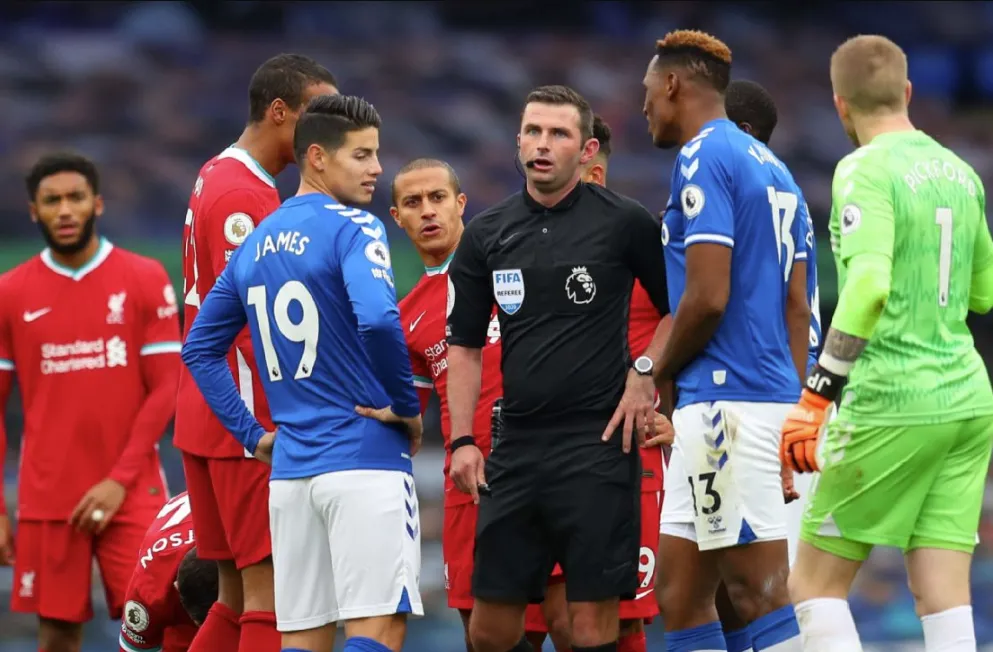
The decision by referee Michael Oliver not to award a free kick, let alone a red card, has been the central point of contention. Oliver, one of the Premier League’s most experienced officials, was in a prime position to judge the incident. Yet, he deemed it a fair challenge. This has led to a massive split in opinion among fans and experts.
Why Some Argue It Was a Red Card Offense
In the world of football analysis, experts like former referee Mark Halsey have pointed out that the challenge met the criteria for a serious foul play. The key factors include:
- Excessive force:The goalkeeper lunged into the challenge with his knee leading.
- Endangering the opponent:The nature of the collision directly resulted in a major ligament injury.
- Denying an obvious goal-scoring opportunity?While that aspect is debatable, the dangerous nature of the tackle itself should have been the primary reason for a red card. Many believe that the VAR should have advised Oliver to review the incident on the pitchside monitor, a step that was notably missed.
Why Some Argue It Was a Red Card Offense
The Case for Oliver’s Decision
On the other hand, some argue that the pace of the game and the fact that Pickford was attempting to punch the ball gave the referee a split-second decision to make. The angle of the challenge may have made it look less severe in real-time. Furthermore, the “ball was there to be won” argument is often used to defend goalkeepers coming for crosses. However, in this era of player safety, the broader consensus from the “Jaya9” community of football analysts is that the failure to penalize the action set a dangerous precedent.
Tactical Analysis: The Fallout for Liverpool and Everton
The injury to van Dijk did more than just change the game’s momentum. It forced Liverpool to completely restructure their defensive setup. Without their leader at the back, the team’s high line and defensive transitions became significantly more vulnerable. This incident highlighted just how crucial van Dijk is to the entire tactical framework at Anfield.
How the Game Changed After the Incident
The mindset of the match shifted instantly. Liverpool’s players, visibly shaken, pushed forward with a sense of injustice, while Everton, aware of the controversy, became more resilient. The game ended in a draw, but the psychological impact on the team that lost their defensive rock was immense. Football is a game of fine margins, and losing a player of that caliber to a challenge that many deem illegal can affect team morale for weeks.
Expert Opinions: What Do the Analysts Say?
We reached out to several football experts to get their verdict on the incident.
Quote from Former Premier League Referee, Keith Hackett
“In my opinion, this was a clear red card. The intent or lack thereof is irrelevant when you cause such a dangerous collision. The goalkeeper has a responsibility, and in this instance, he failed to control his momentum. Michael Oliver had a clear view and should have been aided by VAR. It is a massive let-off for the defensive unit.”
Quote from Tactical Analyst, Sarah Thompson
“Forget the red card debate for a moment, the real issue is the lack of protection for players. From a Jaya9 tactical breakdown, van Dijk’s positioning was perfect; he had no idea Pickford was coming in with such force. This isn’t about a 50/50 ball; it’s about a collision that has ended a player’s season. The rules need to be clearer for keepers leaving their line.”
Concluding Thoughts: A Defining Moment for Premier League Officiating
The debate over Jordan Pickford‘s challenge on Virgil van Dijk will not disappear quickly. It serves as a stark reminder of the fine line between a brave footballing action and a dangerous play that can have career-altering consequences. While the match result will be recorded in the history books, the legacy of this moment is a question mark over how high-risk challenges are judged in the modern game.
Whether you believe it was a red card or just a tough derby tackle, one thing is clear: the failure to penalize the challenge has left a sour taste and sparked a much-needed conversation about player safety and the consistency of VAR. We want to hear from you. Do you agree with the referee’s decision, or should Pickford have been sent off? Leave your thoughts in the comments below and share this article with your fellow football fans! Let’s keep the discussion going.
