
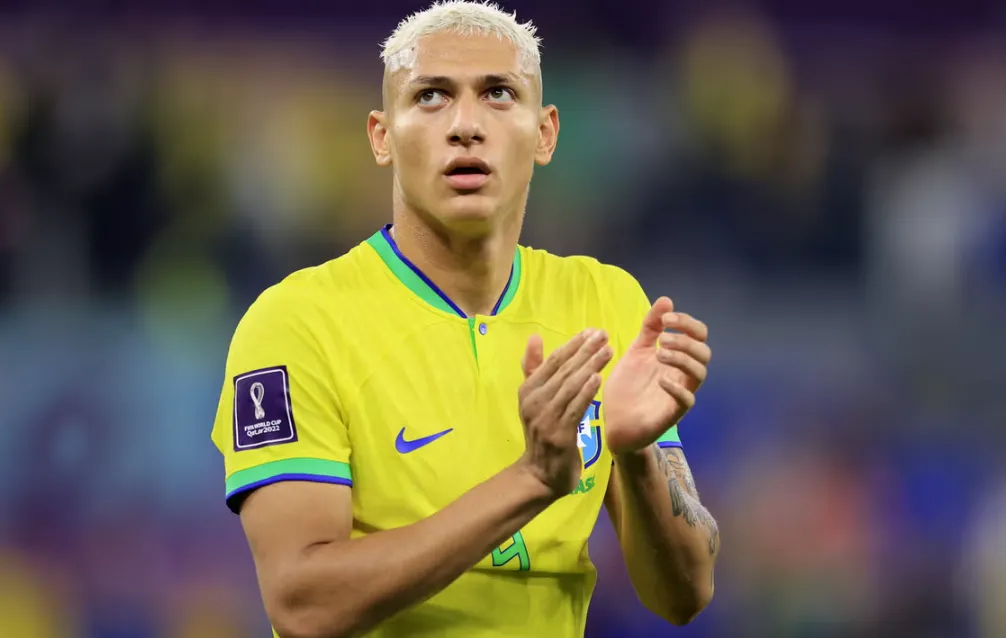
The beautiful game often conceals a hidden, less glorious reality for its players. Behind the roaring crowds and the glory of goals, there exists a world of immense pressure, isolation, and psychological strain. In a deeply personal and courageous revelation, Brazilian striker Richarlison, a key figure for both Tottenham Hotspur and the Seleção, has shared the harrowing mental health struggles he experienced during and after the 2022 FIFA World Cup in Qatar. This confession sheds a powerful light on the often-unseen battles that elite athletes face, offering a raw and honest look into a side of football that is rarely discussed.
The Weight of a Nation: The Pressure Behind the Scenes
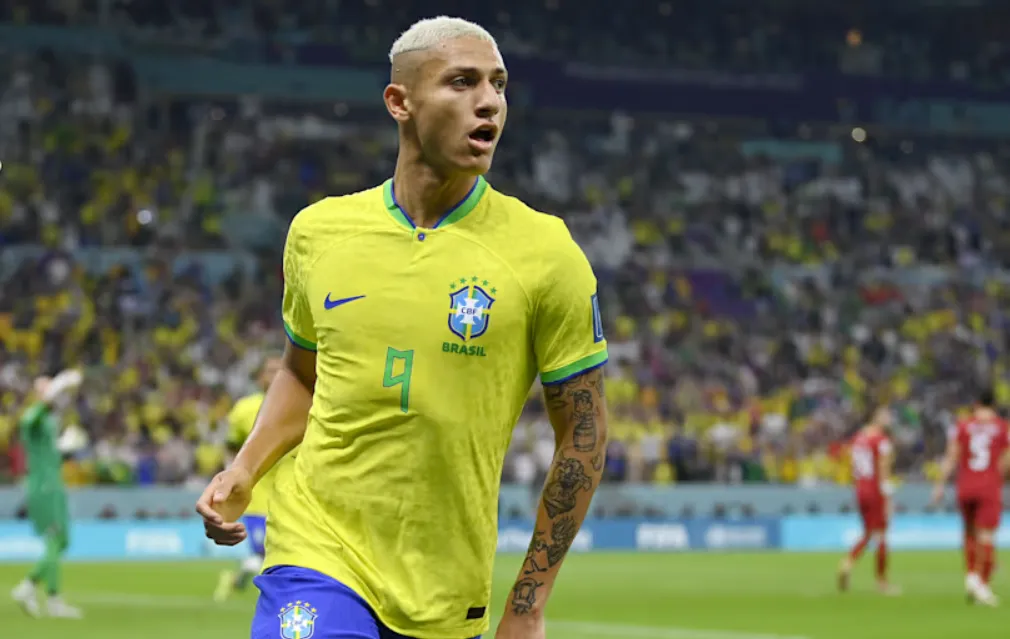
The 2022 World Cup was supposed to be the pinnacle of Richarlison‘s career. He was, after all, the man wearing the iconic number 9 jersey for Brazil, a shirt steeped in history and expectation. The pressure to perform, to deliver the nation’s sixth world title, was immense. According to exclusive insights from Jaya9, the forward revealed that the relentless scrutiny and immense pressure he felt during the tournament led him to the darkest corners of his mind. He confessed to having “dark thoughts,” a chilling admission that underscores the profound psychological burden that can accompany playing for a football-crazed nation like Brazil.
The Struggle Behind the Smile
Richarlison’s public persona was one of fiery passion and celebration, most famously seen in his “dance” celebration after scoring a spectacular goal. However, the reality behind the scenes was a stark contrast. He spoke about how the weight of responsibility, the fear of failure, and the constant criticism took a severe toll on his mental well-being. The expectation to not just play but to win, and to carry the hopes of 215 million people, became a suffocating cloud. The player confessed that he even considered giving up football entirely, a statement that shocked fans and analysts alike.
Timeline of a Personal Battle: From Qatar to Recovery
To fully understand the depth of Richarlison‘s struggle, we must break down the timeline of events. His journey from the heights of the World Cup to his lowest moments is a testament to the hidden fragility of elite sport.
The World Cup Campaign (November-December 2022)
During the tournament, Richarlison started as Brazil’s primary striker. He scored key goals, including a stunning bicycle kick against Serbia that was widely hailed as one of the best of the tournament. Yet, the joy was fleeting. After Brazil’s shocking quarter-final elimination by Croatia on penalties, the weight of the defeat seemed to consume him. This was the moment, as he later described, when the “dark thoughts” began to intensify.
- The Performance:Despite his goals, the team’s failure to progress was pinned on the entire squad.
- The Reaction:The online backlash was fierce, and Richarlison, a particularly emotional player, took the loss harder than most.
- Internal Conflict:He described the period immediately after the World Cup as a time when he “hit rock bottom,” struggling to find a reason to continue.
The Aftermath and Mental Health Crisis (2023)
Following the World Cup, Richarlison’s form on the pitch for Tottenham Hotspur dipped noticeably. He struggled to score goals, lost his starting place in the team, and looked a shadow of his former self. This period coincided with his most intense psychological battles.
Dr. Ana Silva, a sports psychologist specializing in high-performance athletes, commented on the situation: “For a player like Richarlison, identity is often tied directly to performance. When results fail, especially on a national stage, it can trigger a profound identity crisis. The ‘dark thoughts’ he described are a classic sign of severe burnout and depression, often triggered by the emotional fallout of a major competitive failure.” This professional analysis helps explain why a seemingly strong athlete could fall into such a deep state of despair.
Seeking Help and the Road to Recovery
The turning point in Richarlison‘s story came when he decided to seek professional help. He admitted to seeing a psychologist and even considered therapy as a way to manage his feelings. This decision is a powerful statement in a sport where mental health concerns are often stigmatized or ignored.
- Professional Support:He began regular sessions to address his anxiety and depression.
- Reclaiming Passion:The therapy helped him reconnect with the joy of playing football, separating his self-worth from the noise of public opinion.
- Return to Form:After a period of struggle, Richarlison has shown signs of returning to his best, scoring goals and showing confidence on the pitch.
The Broader Picture: Mental Health in Modern Football
Richarlison‘s story is not an isolated incident. The modern football environment, with its 24/7 media cycle, social media trolling, and astronomical financial stakes, creates a perfect storm for mental health crises.
The “Jaya9” Perspective on Player Welfare
In our analysis at Jaya9, we’ve seen that the unique pressure on South American players is particularly intense. They are often seen as the saviors of their nations, carrying the hopes of entire continents. Richarlison‘s candidness is a crucial step in breaking the taboo around mental health in the sport. It encourages other players, especially younger ones, to understand that seeking help is not a sign of weakness but a strategy for strength and longevity in the game.
Conclusion: Richarlison’s Dark Thoughts and the Real Cost of Glory
Richarlison’s battle with dark thoughts during the 2022 World Cup is a profound reminder that footballers are human first and athletes second. His story is ultimately one of resilience. He faced his deepest fears, sought help, and is now working on rebuilding his career and his life. This journey from despair to recovery offers a valuable lesson for all of us: that even in the darkest moments, the most important victory is the one you win over your own mind.
Have you ever felt the pressure of expectations in your own life? How do you think sports organizations can better support the mental health of players? Leave a comment below to share your thoughts, share this article with a fellow football fan, and explore more in-depth sports analysis on our website.
