

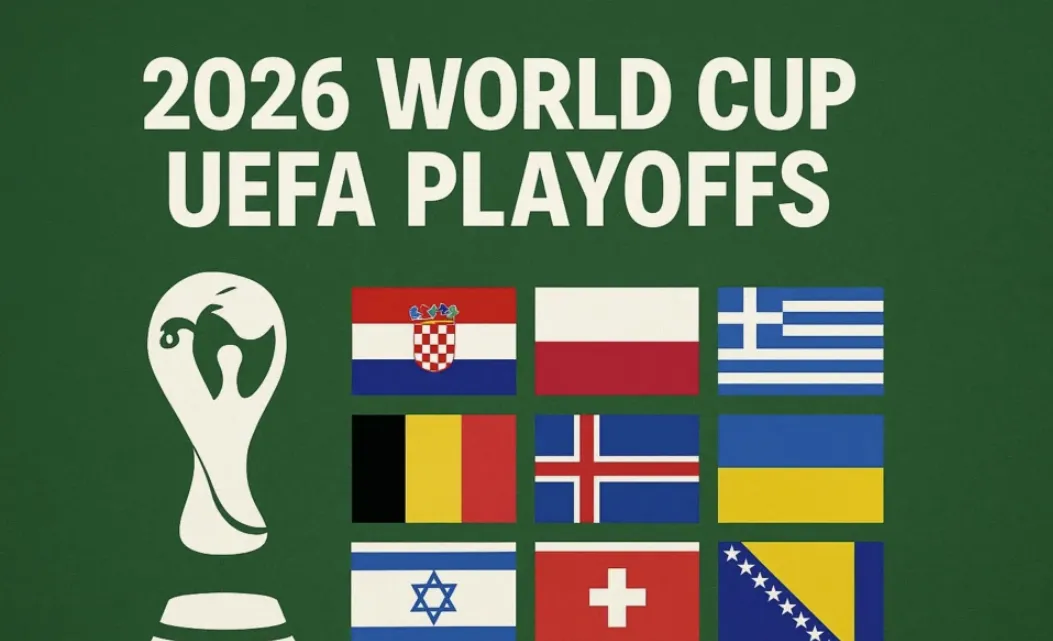
The road to the 2026 FIFA World Cup is entering its most dramatic phase for several nations, with the UEFA playoffs and intercontinental fixtures set to deliver high-stakes football. As teams battle for the remaining spots in the expanded 48-team tournament, the pressure is mounting across Europe and beyond. The qualification pathway has been reshaped this cycle, offering more nations hope but also creating nerve-wracking knockout scenarios where one mistake can shatter four years of ambition.
This analysis breaks down the key matchups, tactical considerations, and historical context surrounding these playoff fixtures. Drawing on expert insights and current form assessments, we examine which teams hold the advantage and which face an uphill battle in their quest for World Cup glory.
The UEFA Playoff Landscape
How the Qualification System Works
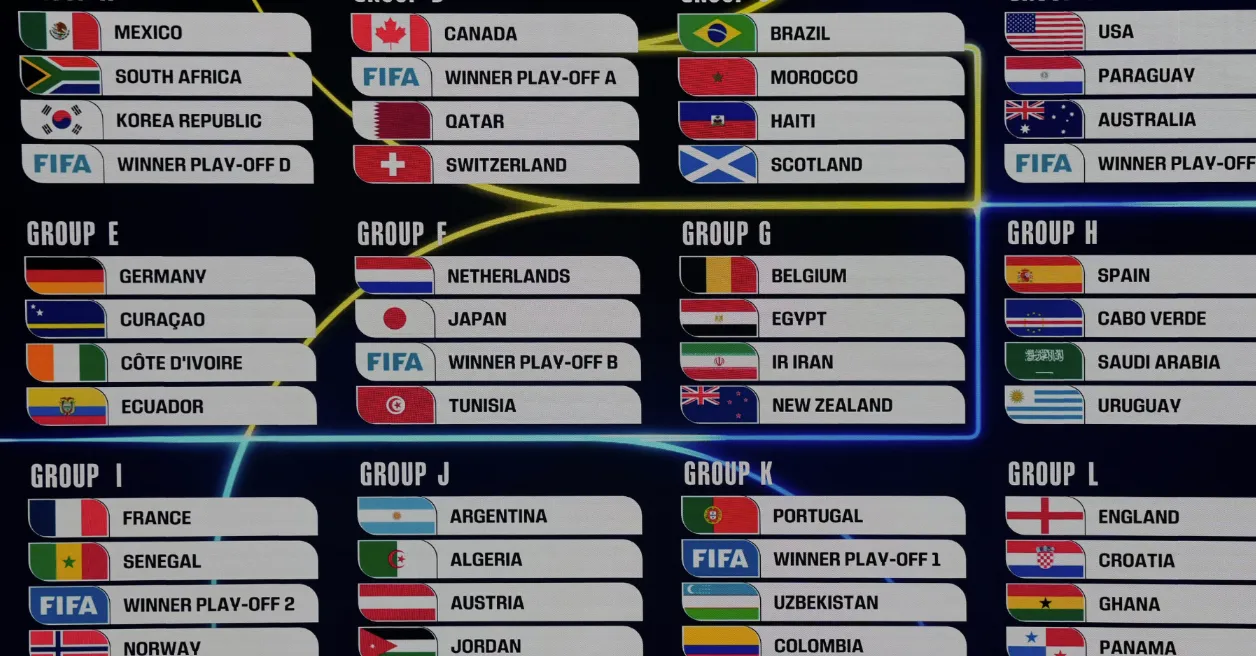
The 2026 World Cup has granted UEFA 16 automatic qualification spots, with an additional place available through the intercontinental playoffs. The automatic spots went to the group winners from European qualifying. Now, the remaining UEFA nations that finished as group runners-up, along with the best-performing Nations League group winners who didn’t qualify directly, enter a playoff tournament.
This format creates a single-elimination path where teams must win two matches to secure their ticket to North America. The semifinals pair higher-seeded teams against lower-seeded opponents, followed by finals that determine the last European qualifiers alongside the intercontinental playoff representative.
Key Matches to Watch
Several standout fixtures emerge from this playoff draw, each carrying significant narrative weight. Portugal, led by Cristiano Ronaldo in what could be his final World Cup appearance, enters as one of the stronger seeded teams. Their path appears favorable on paper, but knockout football leaves no room for complacency.
Scotland faces a crucial test against a formidable opponent, continuing their quest to reach consecutive World Cups for the first time since the 1990s. The tactical battle between Steve Clarke’s organized defensive structure and their opponents’ attacking creativity will define this matchup.
Perhaps the most intriguing tie involves Ukraine, who must navigate political complexities alongside footballing challenges. Forced to play home matches on neutral ground, Ukraine’s squad depth and tactical discipline under Serhiy Rebrov could surprise many observers.
Tactical Analysis and Team Form
Defensive Solidity vs. Attacking Fluency
The playoffs often favor disciplined defensive teams over flashy attackers. History shows that squads with organized backlines and clear defensive structures tend to advance in high-pressure knockout matches. Nations like Greece in 2004 and more recently Croatia demonstrated that tournament football rewards patience and tactical awareness over sheer attacking ambition.
Teams participating in these playoffs must balance their natural playing style with pragmatic adjustments. Coaches face difficult decisions about whether to stick with their preferred formations or adapt specifically for one-off matches where the margin for error is minimal.
Key Players Under Pressure
Star performers will be expected to deliver in these decisive moments. Whether it’s a veteran captain shouldering responsibility or a young prospect seizing the spotlight, individual brilliance often separates winners from losers in tight playoff matches.
Midfield generals who control tempo and dictate play become even more valuable in these contests. The ability to maintain possession under pressure, execute tactical switches, and provide defensive cover makes these players indispensable for any team harboring World Cup ambitions.
Intercontinental Playoff Preview
The Path from Asia, Africa, and South America
Beyond UEFA’s internal playoffs, the intercontinental fixtures offer another route to the World Cup. These matches pit teams from different confederations against each other, creating fascinating stylistic clashes that rarely occur in regular international football.
Asian representatives enter these playoffs with growing confidence following impressive performances at recent World Cups. Japan’s victories over Germany and Spain at the 2022 tournament demonstrated that Asian football has closed the gap significantly. Teams like Australia, with their physical approach, could trouble opponents unused to their direct style.
South American sides involved in these playoffs carry the weight of their continent’s proud World Cup heritage. The intensity and technical quality of CONMEBOL qualifying provides excellent preparation for knockout matches, though the travel demands of intercontinental playoffs present unique challenges.
Potential Surprises and Dark Horses
The expanded World Cup format has opened doors for nations previously considered long shots. Teams from smaller footballing nations now realistically envision competing on the sport’s biggest stage. This psychological shift could prove decisive in playoff matches where belief often matters as much as technical ability.
Several teams possess the tactical flexibility to adapt to different opponents effectively. Squads capable of shifting between defensive solidity and attacking intent mid-match gain significant advantages in knockout formats. The ability to read game situations and adjust accordingly separates truly competitive nations from those merely participating.
Expert Predictions and Analysis
Historical Patterns and Trends
Examining previous playoff cycles reveals interesting patterns. Home advantage historically provides significant benefits, with home teams advancing at roughly 60 percent rates in European qualifying playoffs. However, the neutral venue requirement for certain nations complicates this calculation for the current cycle.
Teams with recent World Cup experience tend to perform better in playoff scenarios. Familiarity with tournament pressure, travel demands, and the intensity of must-win matches provides psychological advantages that statistical models struggle to quantify.
Form Guide and Momentum
Current form entering these playoffs matters enormously. Teams finishing qualifying strong carry momentum that translates directly into playoff success. Conversely, nations stumbling through their final group matches face confidence challenges that experienced opponents can exploit.
Injury situations also demand attention when evaluating team prospects. Key absences can completely transform expected outcomes, particularly when the missing player serves as the team’s tactical linchpin or primary attacking threat. Depth becomes crucial as multiple matches within short windows test squad endurance.
What These Playoffs Mean for World Cup 2026
The Competitive Balance
The expanded tournament promises greater competitive diversity, with more nations experiencing World Cup football. However, critics argue that the expanded format dilutes the quality of competition. The playoff results will provide early evidence supporting either position.
Strong performances from playoff qualifiers at the World Cup would validate the expanded format. If smaller nations prove competitive against traditional powers, the qualification path becomes more meaningful and the tournament gains credibility.
Long-Term Implications for Participant Nations
Qualifying through playoffs can transform football development in participating nations. The exposure, revenue, and prestige associated with World Cup participation accelerate grassroots development programs and increase football’s profile domestically.
For nations falling short, playoff disappointment often triggers significant changes. Coach dismissals, federation restructuring, and player retirement decisions frequently follow failed qualification campaigns. The stakes extend far beyond individual matches, affecting entire football ecosystems.
Conclusion: Jaya9’s Final Verdict on the World Cup Playoffs
The UEFA World Cup 2026 playoffs and intercontinental fixtures represent football’s most compelling theater. Every match carries life-changing consequences for players, coaches, and entire nations. The tactical battles, emotional swings, and individual heroics define why these qualification playoffs captivate audiences worldwide.
Ultimately, teams that combine tactical discipline with emotional control will advance. The margins separating success from failure remain razor-thin at this level, and one moment of brilliance or error decides entire qualification campaigns. Jaya9 will continue providing expert coverage as these playoffs unfold, offering in-depth analysis and predictions for every fixture.
We encourage readers to share their own predictions and experiences in the comments below. Which nations do you believe will secure their World Cup spots? What tactical approaches will prove decisive? Join the discussion and explore more exclusive football content on our website.
