
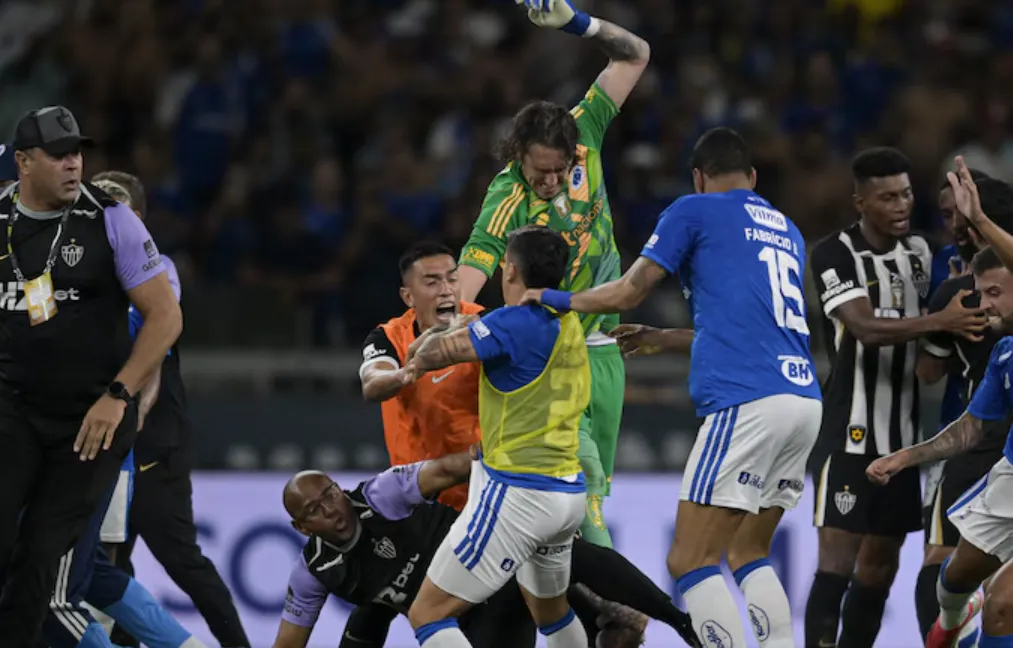
If you thought you had seen it all in football, think again. A recent match in Brazil turned into absolute chaos when a massive brawl erupted on the pitch, leading to an unprecedented 23 players being sent off. Among the names involved was the iconic striker Hulk, whose presence in this wild incident has captured global attention. On Jaya9, we’re breaking down exactly what happened, why it went so far, and what this means for the beautiful game in Brazil.
The infamous match was the final of the Campeonato Paraense, a state championship in Brazil’s Pará region. It was between Remo and Paysandu, two archrivals who have a history of intense clashes. But nobody could have predicted the scene that unfolded on that fateful night. The game spiraled into a free-for-all, leaving referees, fans, and commentators in complete disbelief.
The Chaos Begins: What Sparked the Mass Brawl?
The match started like any other high-stakes final, with both teams battling for the trophy. However, tensions skyrocketed in the second half. A harsh tackle ignited a heated exchange, and within seconds, players from both sides rushed toward each other.
Who Was Involved in the Incident?
The most shocking moment came when Hulk, the former Porto and Zenit Saint Petersburg striker, entered the fray. Known for his powerful left foot and physical presence, Hulk wasn’t just a passive observer. He was reportedly trying to calm the situation, but the chaos had already gone too far. Several players began throwing punches, kicks, and even using violent gestures that turned the pitch into a battleground.
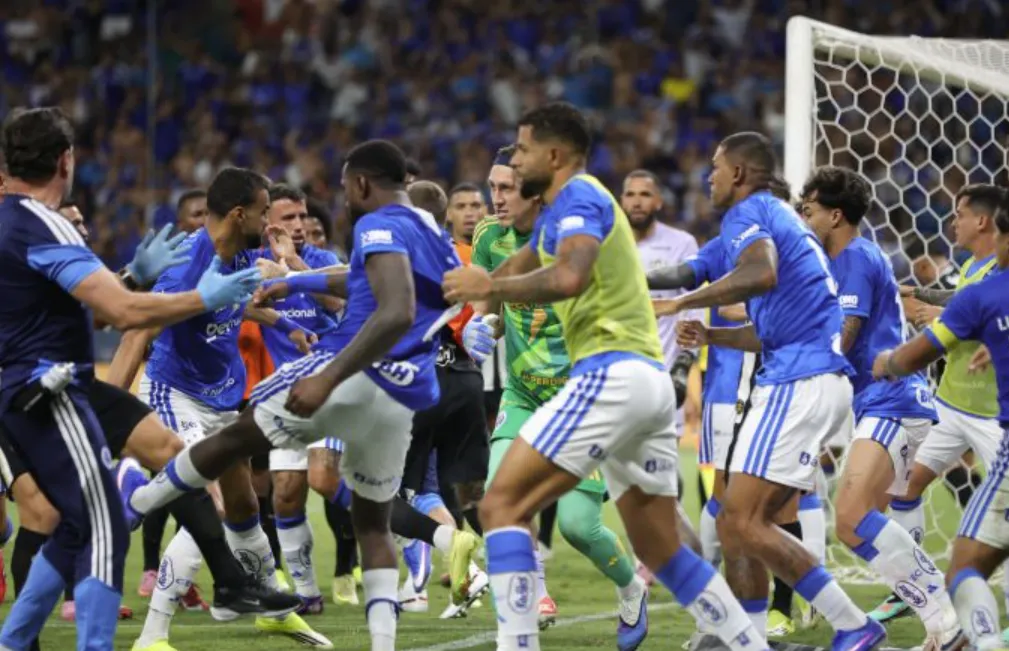
The referee, struggling to regain control, made a drastic decision. He didn’t just issue a few red cards. Instead, he showed red cards to 23 players in total, including substitutes and coaching staff who had left the bench to join the fight. This unprecedented number of ejections marks one of the largest mass send-offs in football history.
The Role of Rivalry and Pressure
This wasn’t just a random clash. The rivalry between Remo and Paysandu is one of the most bitter in Brazilian football. The final was do-or-die, with both clubs desperate to claim state glory. Years of historic confrontations, fan pressure, and the intensity of a title decider all contributed to the explosion of emotions.
According to sports analyst Carlos Mendes, “The pressure in these state finals is enormous. Players often carry the weight of their entire fanbase. When a game becomes as physical as this one, it only takes one spark to ignite a wildfire.” So, while the brawl was shocking, it was rooted in a deep-seated rivalry that had been simmering for decades.
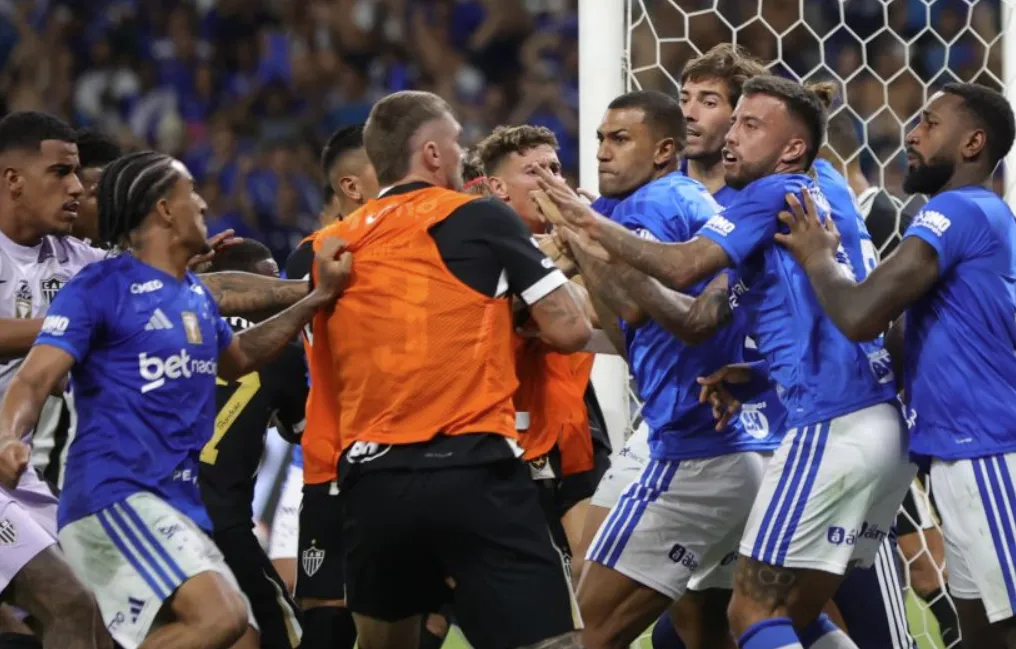
How Did the Match Officially End?
With 23 players sent off, the match could not continue in any normal sense. The referee had no choice but to abandon the game. Both teams were left with barely enough players to form a side. Remo, who had been leading 2-1 at the time of the brawl, was initially declared the winner by the federation.
However, the disciplinary committee later stepped in. After reviewing footage and testimonies, the authorities decided to annul the match entirely. The final result was decided by a forfeit, but the damage to the reputation of both clubs and the state championship was already done.
Penalties and Fines
The consequences didn’t end with red cards. The Brazilian Football Confederation imposed heavy fines on both clubs. Several players, including Hulk, faced additional suspensions. While Hulk himself didn’t commit violent acts, his presence in the melee and failure to fully control his teammates led to him being penalized.
In an interview with local media, Hulk expressed his disappointment. “I came to this final to win, not to see a fight. I tried to calm everyone down, but emotions were too high. Football is violent sometimes, but this was too much.”
What Does This Mean for Brazilian Football?
This mass brawl has raised serious questions about violence in regional football. While Brazil is famous for its samba style and technical brilliance, incidents like this remind us of the darker side of the game. State championships, which often involve intense local pride, can become powder kegs when tempers flare.
Lessons Learned and Future Prevention
The federation has pledged to implement stricter measures to prevent similar outbreaks. This includes having more security on the pitch, better referee training for high-pressure games, and mandatory anger management workshops for players. Additionally, there is talk of introducing stricter sanctions for players who leave the bench during a fight.
From a fan’s perspective, matches at this level should be about passion, not violence. The beauty of Brazilian football is its unpredictability and flair, not its brutality. If the sport wants to grow and retain its global appeal, these incidents must become rare exceptions, not recurring nightmares.
Final Thoughts on the Hulk and 23 Players Mass Brawl
When Jaya9 first reported this story, it was hard to believe that a single final could end with 23 red cards. The sight of Hulk trying to be a voice of reason amidst the chaos shows that even experienced players can be caught in moments they can’t control. For fans, this is a reminder that football is an emotional sport, but it must always stay within the boundaries of sportsmanship.
If you’re passionate about Brazilian football or simply curious about how this incredible event unfolded, we’d love to hear your thoughts. Do you think the penalties were too harsh or not enough? Have you ever witnessed a brawl like this in person? Leave a comment below, share this article with your fellow football lovers, and explore more exclusive insights on Jaya9. Stay tuned for more thrilling updates from the world of sports!
