
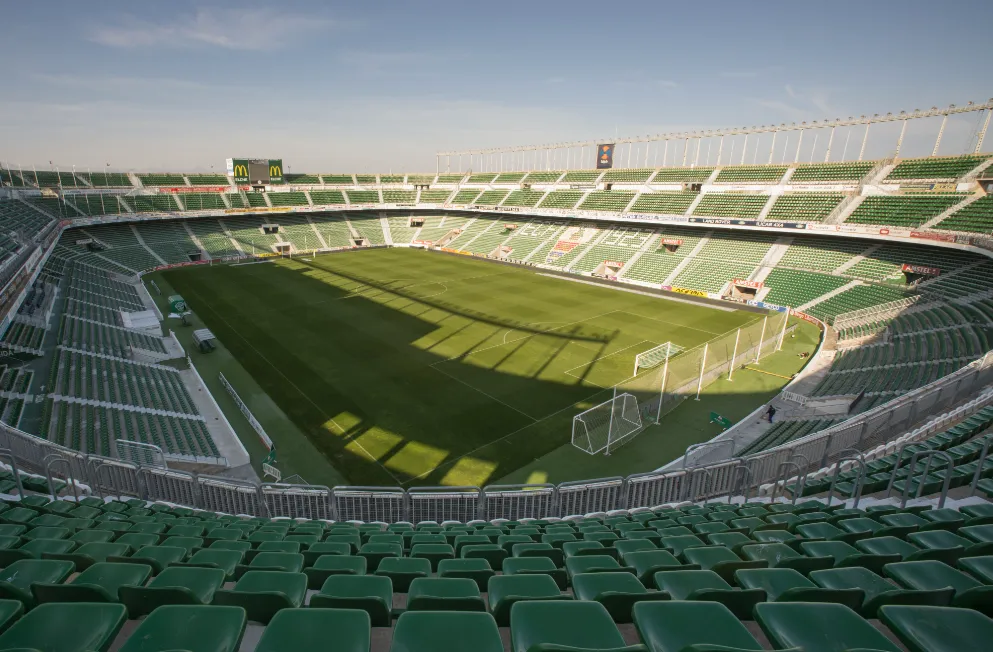
The beautiful game is often accompanied by the not-so-beautiful mess left behind by passionate supporters. In a move that has sent shockwaves through Spanish football fandom, La Liga side Elche CF has implemented a radical new policy at the Martínez Valero stadium: a complete ban on sunflower seeds. This isn’t just a minor tweak to the ground regulations; it’s a cultural earthquake aimed at tackling the mountain of shells that traditionally carpets the stands after every match. Here at Babu88, we dig into the roots of this decision, its immediate fallout, and what it means for the future of matchday culture.
The Seed of the Problem
For decades, the ritual of cracking and munching on pipas (sunflower seeds) has been as integral to watching football in Spain as the roar for a goal. It’s a social pastime, a nervous habit, and a deeply ingrained tradition. However, the aftermath tells a different story. The Martínez Valero stadium, like many across the country, has been left resembling a battlefield of shells after each fixture. The cleanup operation is monumental, costly, and, as the club argues, entirely preventable.
Elche‘s management, led by a determined new operations team, decided enough was enough. “The state of the stadium after a game was becoming unacceptable,” a club insider shared with Babu88. “We’re talking about tons of organic waste that requires hours of labor to clear, damages the aesthetics of our home, and frankly, creates a poor experience for everyone the next matchday.” The ban was announced unceremoniously but firmly ahead of a recent home game, catching many loyal Ilicitanos off guard.
Fan Reaction: From Bewilderment to Backlash
The announcement was met with a mixture of disbelief, anger, and satire. Long-time season ticket holders took to social media to voice their frustration. “First they take our standing areas, now they take our pipas? What’s next, banning shouting?” one fan commented online. Another lamented, “It’s part of the fabric of the game here. The sound, the smell, the shared bag – it’s a ritual.”
However, not all feedback has been negative. A segment of supporters, particularly families with young children, have welcomed the move. “It’s about time,” stated María, a local fan and mother of two. “Trying to navigate the stands with kids without them slipping on shells or putting them in their mouths was a constant worry. This makes the environment cleaner and safer.” This divide highlights the modern tension in football between cherished tradition and the push for a more inclusive, family-friendly, and commercially viable stadium experience.

The Bigger Picture: A Trend in Stadium Management
Elche‘s bold step is not happening in a vacuum. It reflects a broader, global trend in sports venue management focused on sustainability, cost reduction, and enhancing the fan experience. Premier League clubs have long had strict policies on litter, while German clubs emphasize reusable cups. Spanish football, with its deep-seated traditions, has been slower to adapt.
Sports facility expert, Dr. Alvaro Mendez, whom we consulted at Babu88, explains the rationale: “Stadiums are now multi-use entertainment complexes. The operational cost of cleaning, especially bio-organic waste that can attract pests and degrade facilities, is enormous. Clubs are looking at every line item. Banning a single, high-impact item like sunflower seeds is a logical, if controversial, efficiency drive.”
He further notes that the policy also aligns with a shift towards “cleaner” branding for clubs seeking to attract international sponsors and a broader demographic. A pristine stadium looks better on TV and in promotional material than one littered with shells.
Will the Ban Hold? Enforcement and Alternatives
The critical question is enforcement. Can stewards realistically police 30,000 fans for covert seed consumption? The club’s initial strategy relies on communication and providing alternatives. Concession stands have been instructed to stop selling seeds and are promoting alternative snacks like pre-shelled nuts, popcorn, and branded pretzels.
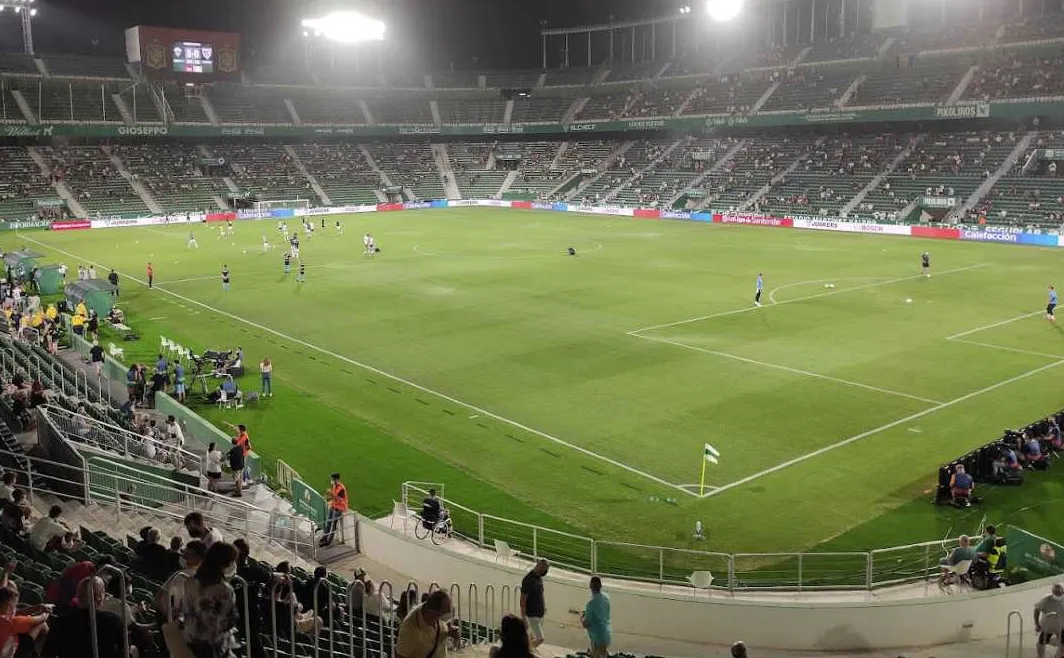
“Education is the first phase,” an Elche spokesperson told us. “We believe our fans love the club and will understand the reasons—preserving our stadium and reducing unnecessary expenses that could otherwise be invested in the squad or facilities.” However, they conceded that repeated offenders may face warnings and, in extreme cases, could be subject to further action under the stadium’s code of conduct.
A New Era for Elche and Beyond?
Elche CF has thrown down the gauntlet. Their Babu88-featured policy is a fascinating case study in changing football culture from the ground up. While the immediate reaction is one of shell-shock, the long-term success will depend on whether fans adapt or revolt.
Will other La Liga clubs, watching closely from the sidelines, follow suit if Elche’s stands remain conspicuously clean? Only time will tell. But one thing is clear: the days of unquestioned tradition are numbered as clubs balance heritage with hygiene, cost, and a modern global image.
#ShellShockedElche
What do you think about Elche’s sunflower seed ban? Is it a necessary step for a cleaner, more modern game, or an overreach that stomps on fan culture? Share your thoughts in the comments below and let us know if your club should implement a similar rule. Don’t forget to share this article and explore more in-depth sports analysis right here on Babu88.
