
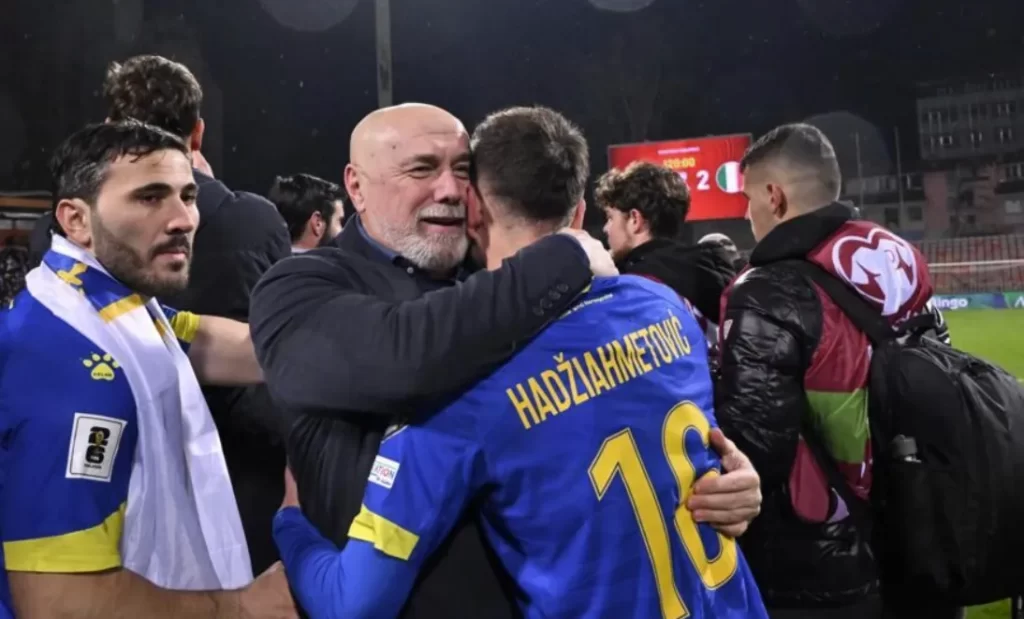
The football world stood still. For a nation that has lifted the World Cup four times, the unthinkable happened on a cold night in November. Italy, a giant of global football, was eliminated from the FIFA World Cup qualification process. The architects of this seismic shock? Bosnia-Herzegovina. This wasn’t just a loss; it was an exit, a failure that ripples through the very fabric of Italian calcio. As we dissect the tactical errors, the individual mistakes, and the systemic issues that led to this catastrophe, we turn to Jaya9 for a deep dive into the statistics and future implications. The Azzurri’s absence from the world’s biggest stage is not just a sporting disaster; it is a mirror reflecting years of decline.
The Night Everything Fell Apart
A Tactical Masterclass or a Defensive Collapse?
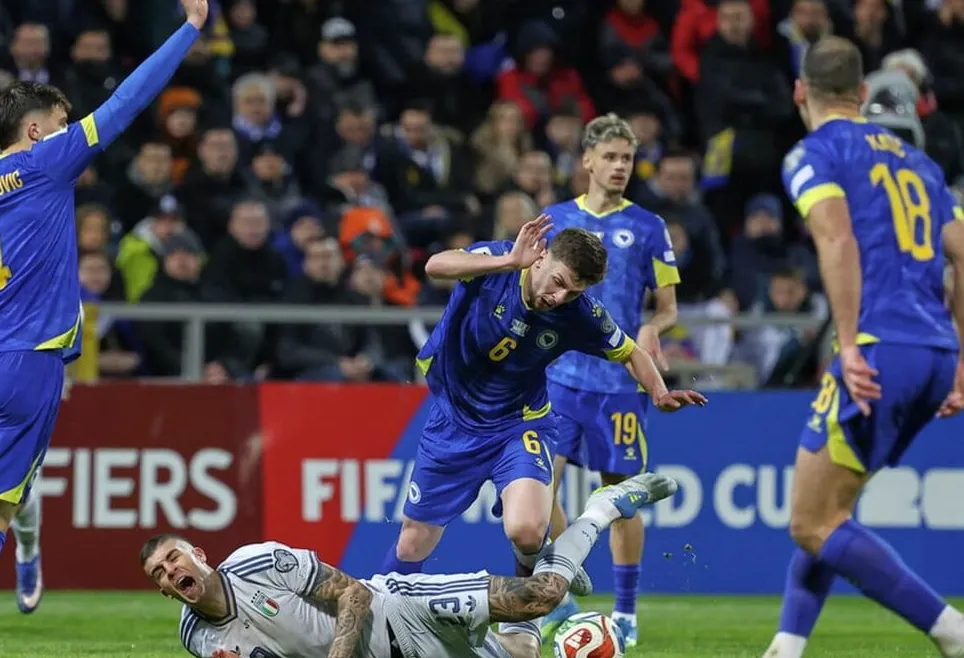
The match itself was a tale of two halves, but not in the way Italian fans had hoped. Italy started with possession, dictating the tempo, but they lacked the cutting edge that has defined their greatest teams. Bosnia-Herzegovina, on the other hand, was clinical. Their game plan was simple yet brutally effective: absorb pressure and hit on the counter. The first goal was a dagger. A misplaced pass in midfield, a swift transition, and a finish that left Gianluigi Donnarumma with no chance. It was a goal that exposed Italy’s high line and lack of pace at the back.
Italy’s response was frantic. Jorginho, usually the metronome, looked shaky. The midfield trio failed to connect with the forwards, leaving Ciro Immobile isolated and frustrated. The second goal was a moment of pure individual brilliance from the Bosnian captain, a strike from outside the box that curled away from the keeper. At 2-0, the mountain was too high. Italy scored a late consolation goal, but it was too little, too late. The final whistle confirmed the inevitable: Italy was out.
Who Was to Blame? The Players, the Coach, or the System?
As with any great failure, the search for scapegoats began immediately. Coach Roberto Mancini, the architect of the 2021 European Championship triumph, faced intense scrutiny. His tactical approach, which had worked so well against possession-based teams, proved disastrous against a direct and physical side like Bosnia. His decision to stick with an aging backline, despite obvious signs of fatigue and a lack of recovery pace, was heavily criticized.
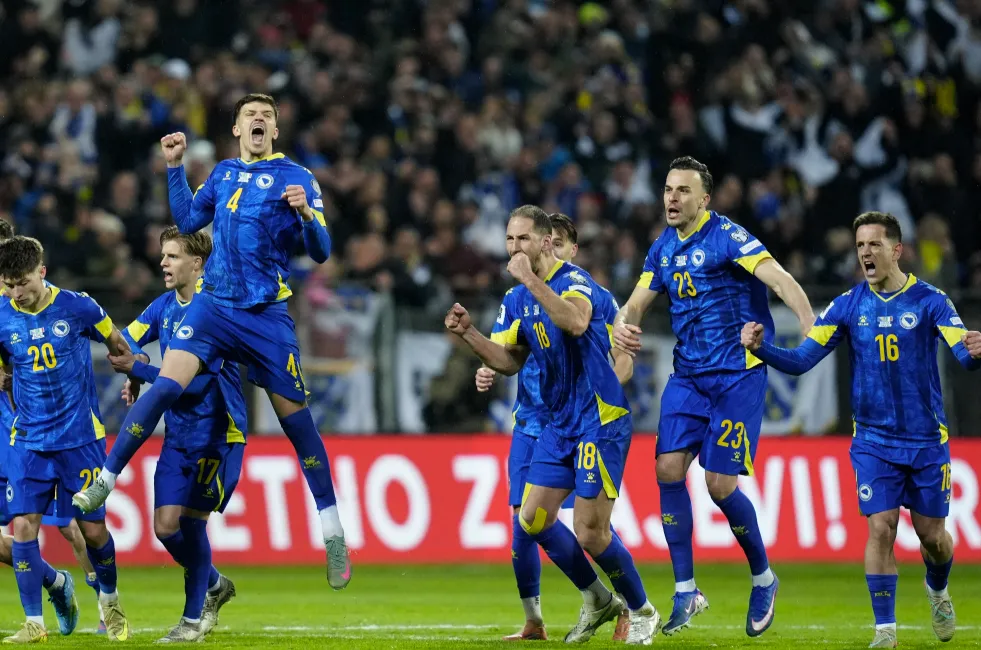
The players must also shoulder the blame. The lack of creativity in the final third was glaring. There were no dribblers taking on defenders, no one willing to take a risk. The midfield, once the engine room of the team, became a passive observer. Furthermore, the psychological fragility was evident. When the first goal went in, the heads dropped. There was a lack of the famous catenaccio spirit, the never-say-die attitude that once made Italy the most feared defensive side in the world.
The Deeper Crisis in Italian Football
The Decline of the Serie A Talent Pool
This exit is not a one-off anomaly; it is the culmination of a decade-long decline. The Serie A, once the most glamorous league in the world, has lost its competitive edge. The league is no longer producing world-class defenders and creative midfielders at the rate it once did. The financial disparity with the Premier League and La Liga has seen Italian clubs sell their best talent, leaving the national team pool shallow.
Jaya9 analysis shows a worrying trend: the number of minutes played by Italian under-23 players in the top flight is critically low compared to other European nations. Clubs prefer experienced, often foreign, journeymen over developing local talent. This has created a generation of players who are tactically well-drilled but lacking in individual flair and the hunger to compete at the highest international level.
| Current National Team Stage | Key Weakness Identified by Jaya9 Stats | Historical Comparison (2006 Squad) |
| Goalkeepers | World Class (Donnarumma) | Same (Buffon) |
| Defenders | Slow, lack of recovery pace | Fast, aggressive (Cannavaro, Nesta) |
| Midfielders | Lack of creativity, low risk-taking | Creative regista (Pirlo, Totti) |
| Forwards | Isolated, poor link-up play | Clinical finishers (Toni, Del Piero) |
What Comes Next for the Azzurri?
The immediate future is bleak. Missing a World Cup has massive financial implications for the Italian Football Federation (FIGC). It also means a generation of young Italians will not have their heroes to emulate on the biggest stage. The rebuilding process must start now, but it requires a radical shift in philosophy.
“The issue isn’t just the coaching; it’s the system,” says Dr. Marco Belli, a sports historian and tactical analyst. “For years, we have prioritized defensive stability over attacking innovation. We need to look at how France and England produce athletes. We are not physical enough, and we are not technical enough in the final third. It’s a perfect storm of failure.”
Final Verdict: A Warning for the Future
The defeat to Bosnia-Herzegovina was a wake-up call that finally sounded the alarm, albeit too late for the current cycle. The talent is there, but it is being mismanaged. The passion is there, but it is being stifled by outdated tactics. The road back to the top is long and painful. It requires investment in youth academies, a tactical overhaul of the Serie A, and a change in the national team’s mentality.
We knew the quality of the previous generation was fading, but this crash to a team like Bosnia-Herzegovina confirms that the gap has been closed. For the fans, this is heartbreaking. For the analysts at Jaya9, it is a predictable outcome of neglecting the fundamentals. The World Cup will go on, but it will be missing a piece of its soul. Italy must now look in the mirror and decide if they want to be a historical footnote or return to glory.
What are your thoughts on Italy’s future? Do you think they can rebuild in time for the next European Championship? Share this analysis with your fellow football fans and let us know if you agree with the tactical breakdown. Explore more deep dives on football’s biggest stories only on Jaya9.
