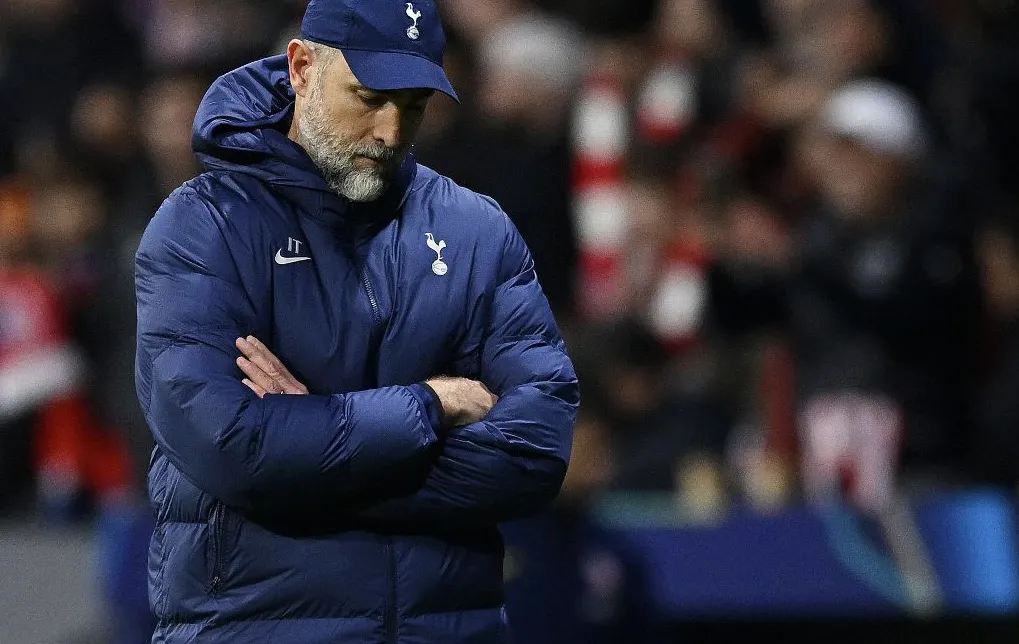
The coaching carousel in the Premier League has never been for the faint-hearted, but the recent departure of Igor Tudor from Tottenham Hotspur has sent shockwaves through the football community. Appointed amidst high hopes and a promise of tactical revolution, Tudor’s tenure has been abruptly cut short, leaving fans and pundits alike questioning what went wrong. This isn’t just a story about a manager losing his job; it’s a tale of mismatched expectations, tactical rigidity, and the unforgiving nature of English top-flight football. As we dissect the events leading to his sacking, we’ll explore the real reasons behind this high-profile failure and what it means for the future of Spurs.
The Appointment: A New Hope for Spurs
When Tottenham Hotspur announced Igor Tudor as their new head coach, the decision raised more than a few eyebrows. Known for his intense, high-pressing style and no-nonsense approach, Tudor seemed like a departure from the more fluid, possession-based philosophies the club had flirted with in the past. The Croatian manager had built a reputation at clubs like Marseille and Hellas Verona for squeezing every ounce of performance from his squads, often exceeding expectations with a brand of football that was aggressive and direct.
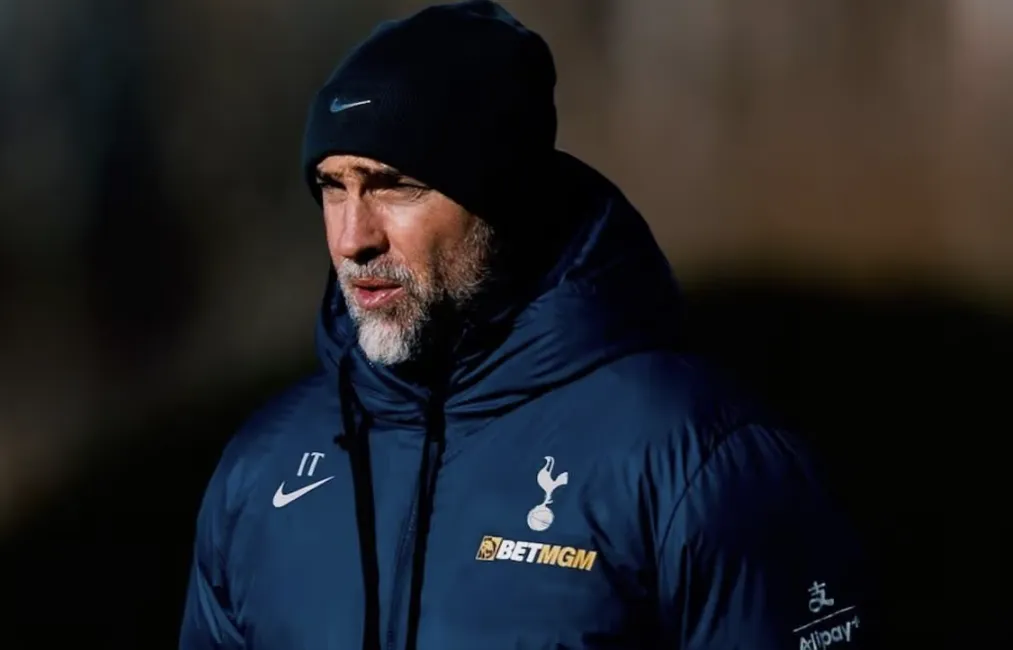
The rationale behind his appointment was clear: Spurs needed a disciplinarian. Following a period of inconsistency and defensive frailty, the board believed that Tudor’s rigid structure and physical demands could be the antidote. Early signs from pre-season were promising, with players commenting on the new intensity in training. Few could have predicted that this marriage of convenience would end in such a quick and public divorce. The club, now linked with names like Jaya9 in the betting markets for their next permanent manager, faces a critical crossroads.
What Went Wrong? Tactical Breakdowns and Player Unrest
To understand the sacking of Igor Tudor, we have to look beyond the results and into the dressing room dynamics. While the defensive solidity he promised did show up in isolated matches, the attacking fluidity of the team completely dried up. Sources close to the team have revealed that star players grew frustrated with the predictable, long-ball tactics, feeling that their creativity was being stifled.
The High Line That Became a Death Sentence
Tudor’s signature strategy of playing an extremely high defensive line was a gamble that rarely paid off in the Premier League. While it worked in Ligue 1 and Serie A, the blistering pace of English wingers exploited this weakness ruthlessly. Match after match, we saw opposition teams bypass the midfield with a single through ball, leaving Tottenham’s center-backs exposed.
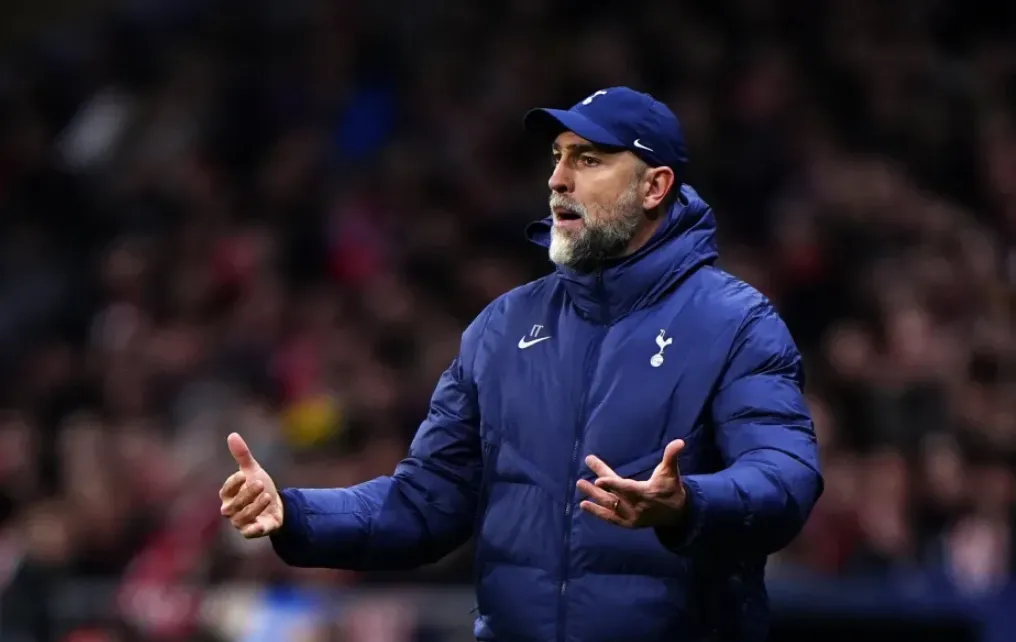
According to football tactics analyst James Brighton, a guest commentator for The Football Daily Podcast, “Tudor’s system required perfect synchronization. In the Premier League, if one player steps out of line—even by a yard—you’re conceding a one-on-one chance. There was simply no margin for error, and the players couldn’t maintain that level of discipline for 90 minutes every three days.”
The Fallout with Key Players
Reports of a breakdown in communication between Tudor and the squad’s senior figures began circulating weeks before the dismissal. The manager’s abrasive style, which had previously been celebrated as “passionate,” was now being described as “alienating.” One anonymous source noted that training sessions became monotonous, focusing almost exclusively on defensive shape at the expense of attacking patterns.
The final straw is believed to have come after a disappointing loss where the team looked devoid of ideas going forward. The players felt that the manager had no “Plan B,” relying solely on the physicality of the forwards rather than playing to the technical strengths of the midfield. This disconnect between the coach’s philosophy and the squad’s skill set proved to be irreconcilable.
The Search for a Successor: De Zerbi in the Frame
With Tudor out, the Tottenham hierarchy has wasted no time in seeking a replacement. The name at the top of every fan’s wish list is Roberto De Zerbi. The Italian, currently without a managerial role after his stint at Brighton, embodies everything Tudor was not: creative, flexible, and tactically adventurous.
De Zerbi’s brand of positional play and high-risk, high-reward football is a style the Spurs fans have been craving. The question remains whether the board will back him financially to implement the system properly.
Why De Zerbi Makes Sense
- Squad Compatibility:The current Spurs squad is technically gifted. De Zerbi’s system of short passes and overlapping runs suits players like James Maddison and Son Heung-min far better than the direct approach seen under Tudor.
- Building a Culture:Unlike the previous manager, De Zerbi is known for improving players. His work at Brighton, turning them into a top-six side, proves he can build a project over time, not just demand instant results.
- Fan Engagement:Football is entertainment, and De Zerbi provides it. His style is exhilarating, and the “Tottenham Way” has always demanded attacking football. Hiring him would be a direct move to heal the fractured relationship between the club and its support.
What This Means for the Season Ahead
Tottenham’s season hangs in the balance. The departure of Tudor so early in the campaign is not just a tactical reset; it’s a psychological blow. The new manager, whether it is De Zerbi or another candidate, faces a unique set of challenges.
First, there is the immediate need to stabilize the defense without sacrificing the attacking intent that Tudor crushed. Second, they must win back the trust of a squad that has now seen two managers in a season fail to find consistency.
The coming weeks will define their legacy. If they can secure a top-four finish, this mid-season sacking will be remembered as a necessary evil. If they falter, it will be seen as another chapter in a long book of mismanagement.
What do you think, fans? Was the sacking of Igor Tudor the right call, or should the club have given him more time to implement his methods? Share your thoughts and predictions for the new manager appointment in the comments below. For more updates on the Premier League transfer rumors and coaching changes, stay tuned to your trusted source for football news. If you are looking to place your bets on the next Spurs manager, check out the latest odds at Jaya9.
